Dental Implants vs Dentures: Which Should You Choose?
| Option | How it works | Removal | Typical strength | Main consideration | |---|---|---:|---|---| | Dental implants | Implants support individual teeth or a restoration | Usually fixed | Stable, natural-feeling function | Requires evaluation, surgery, and healing | | Traditional dentures | A removable appliance rests over the gums | Yes | Replaces many teeth at once | May move or require adjustment over time | | Partial dentures | A removable appliance replaces some teeth | Yes | Restores a section of the arch | Depends partly on remaining teeth and fit | | Implant snap-on dentures | A removable denture attaches to implants | Yes | More retention than conventional dentures | Requires suitable implant support and cleaning |
Dental implants vs dentures depends on your oral health, goals, budget, and preference for a fixed or removable solution. Implants can provide stable chewing and help support the jawbone, while traditional dentures, partials, and implant snap-on dentures offer different levels of affordability, coverage, retention, and daily maintenance.
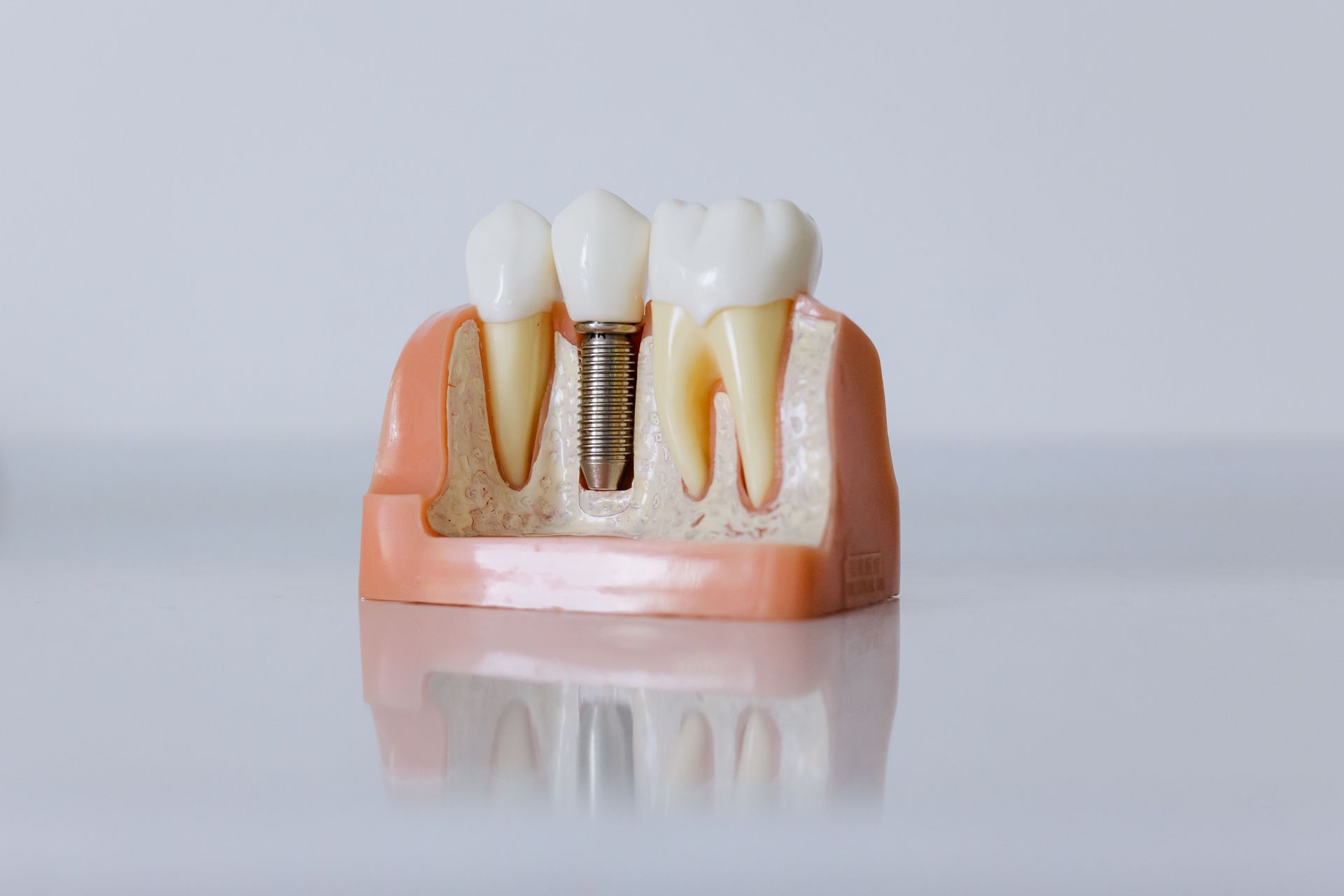
What is the difference between dental implants and dentures?
Dental implants are tooth replacements supported by implants placed in the jaw. A dental implant restoration may replace one tooth, several teeth, or support a full-arch replacement, depending on the treatment plan.
Traditional dentures and partials are removable appliances. Full dentures replace an entire arch of teeth, while partial dentures replace several missing teeth and use the remaining teeth or surrounding structures for support.
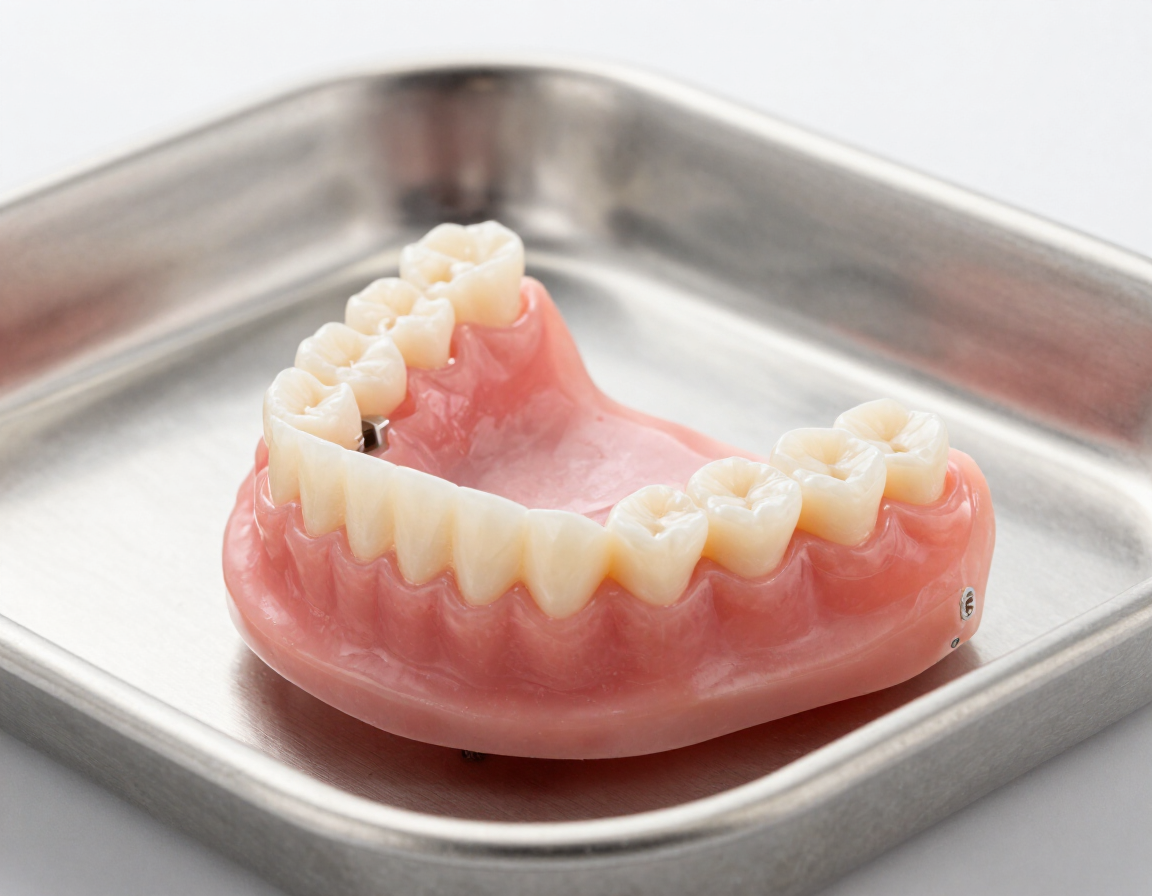
Implant snap-on dentures are also removable, but they attach to dental implants for added retention. Instead of resting only on the gums, the appliance connects to implant attachments and can be removed for cleaning.
Radiant Smiles provides dental implants , implant snap-on dentures , and dentures and partials for patients considering tooth replacement.
How do the options compare?
| Option | How it works | Removal | Typical strength | Main consideration |
|---|---|---|---|---|
| Dental implants | Implants support individual teeth or a restoration | Usually fixed | Stable, natural-feeling function | Requires evaluation, surgery, and healing |
| Traditional dentures | A removable appliance rests over the gums | Yes | Replaces many teeth at once | May move or require adjustment over time |
| Partial dentures | A removable appliance replaces some teeth | Yes | Restores a section of the arch | Depends partly on remaining teeth and fit |
| Implant snap-on dentures | A removable denture attaches to implants | Yes | More retention than conventional dentures | Requires suitable implant support and cleaning |
The best choice is not determined by one feature alone. A dental evaluation can consider your missing-teeth pattern, gum and bone health, existing teeth, hygiene routine, treatment preferences, and overall goals.
Which option is more comfortable?
Comfort depends on fit, anatomy, adjustment, and how well the restoration is maintained. A well-fitting denture or partial can be comfortable, but removable appliances may feel different from natural teeth and can require an adaptation period.
Because implant-supported options are anchored more securely, many patients prefer their stability. Traditional dentures may shift during speaking or eating if the fit changes. Implant snap-on dentures are designed to improve retention while remaining removable.
Any new restoration should be checked if it causes persistent soreness, pressure, looseness, or difficulty eating. Do not try to alter an appliance yourself.
Which option makes chewing easier?
Dental implants and implant snap-on dentures may make chewing feel more secure because they are supported by implants. Traditional dentures and partials can also restore chewing function, but performance depends on the fit, the appliance design, the foods being eaten, and the patient’s ability to adapt.
A gradual transition can help with any removable restoration. Follow your dental team’s instructions, begin with manageable foods, and report ongoing movement or discomfort.
What upkeep does each choice require?
Every tooth-replacement option needs professional care and daily cleaning. The routine differs because fixed and removable restorations are cleaned in different ways.
- Dental implants: Brush and clean around the restoration and implant areas as directed. Continue regular dental visits so the surrounding gums and supporting tissues can be monitored.
- Traditional dentures: Remove and clean the appliance as instructed. Clean the gums and any remaining teeth, and store the denture appropriately when it is not being worn.
- Partials: Clean the appliance and carefully brush the natural teeth that support it. Keeping those teeth healthy is important for the partial’s ongoing function.
- Implant snap-on dentures: Remove the appliance for cleaning, clean around the implant attachments, and follow instructions for storage and wear.
Maintenance is not optional after tooth replacement. A professional can evaluate fit, tissue health, implant areas, and changes that may affect comfort.
How long do implants, dentures, and partials last?
There is no single lifespan that applies to every restoration. Longevity depends on materials, design, oral hygiene, bite forces, overall health, smoking or tobacco exposure, fit, and regular professional care.
Implant-supported treatment includes both the implant and the visible restoration, which may have different maintenance or replacement needs. Dentures and partials can also require adjustments, relining, repair, or replacement as the mouth changes over time.
Ask what follow-up schedule and maintenance plan apply to your recommended option. Consistent home care and dental visits can help identify concerns before they become larger problems.
Which option helps preserve jawbone health?
When natural teeth are lost, the jawbone no longer receives the same stimulation in those areas and can change over time. Dental implants are placed in the jaw and may help maintain bone in the regions they support, subject to individual clinical factors.
Traditional dentures and partials replace visible teeth but do not replace tooth roots. They may therefore be associated with ongoing changes in the supporting tissues and bone. Implant snap-on dentures use implants for support, but the extent of benefit depends on implant location, number, health, and treatment design.
A dentist must assess your bone and gum health before recommending implant treatment. Some patients may need additional planning before implants are considered.
Who is a good candidate for each option?
Dental implants
You may be considered for implants if you have adequate support or can be appropriately evaluated for implant treatment, healthy enough tissues, and a willingness to complete surgery, healing, and maintenance. A consultation is required to determine suitability.
Traditional dentures and partials
These options may suit adults who want a removable way to replace several or all missing teeth. They may also be considered when implant treatment is not preferred or is not appropriate.
Implant snap-on dentures
These may be appropriate for patients seeking a removable restoration with more retention than conventional dentures and who can be evaluated for implant support.
The right choice should be individualized rather than based only on cost or appearance.
Questions to ask before choosing tooth replacement
Bring these questions to your consultation:
- Which option fits my number and location of missing teeth?
- What will treatment, healing, and follow-up involve?
- How will I clean the restoration and my remaining teeth?
- What could affect comfort, chewing, or long-term fit?
- What maintenance or future adjustments should I expect?
You can also review new-patient information before your visit.
Dental implants vs dentures FAQ
Are dental implants better than dentures?
Neither is universally better. Implants may offer fixed support and potential bone-preservation benefits, while dentures and partials provide removable tooth replacement. Your oral health, goals, and treatment preferences determine the appropriate option.
Are implant snap-on dentures removable?
Yes. Implant snap-on dentures attach to implants for retention but are designed to be removed for cleaning and care.
Can partial dentures replace one missing tooth?
Partials are generally used to replace multiple missing teeth, while a single missing tooth may be addressed with other options. A dental evaluation is needed to select the right restoration.
How do I choose between dentures and implants?
Compare comfort, chewing stability, maintenance, treatment process, bone-health goals, and long-term expectations with a dentist. Ask for an individualized recommendation after an examination.
Choose your next step
Dental implants vs dentures is a personal decision—not a one-size-fits-all choice. Implants may suit patients seeking fixed stability and potential jawbone support; traditional dentures and partials offer removable replacement; implant snap-on dentures combine removable care with implant retention. Start by scheduling an evaluation, discussing your goals, and comparing the care and maintenance each option requires. Contact Radiant Smiles through the practice website to book a consultation in Richland or Sunnyside, WA.